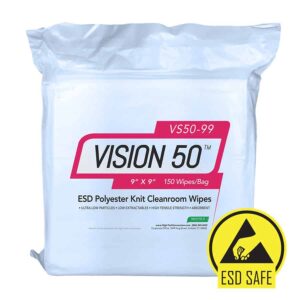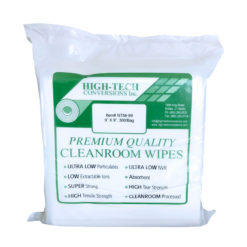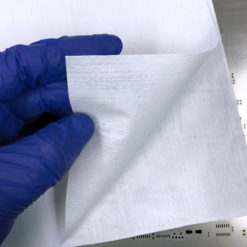
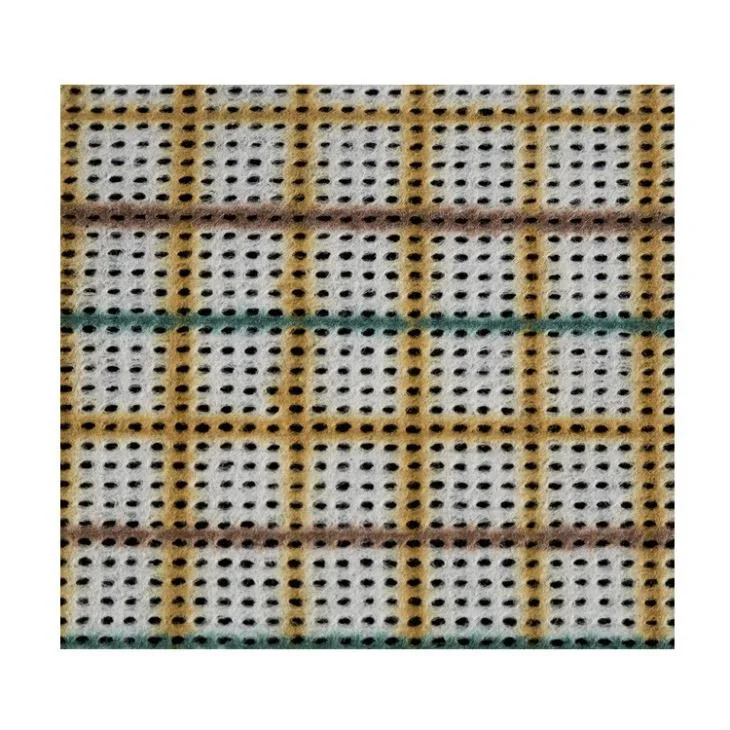
Nonwoven fabrics are boardly defined as sheet or web structures bonded together by entangling fiber or filaments (and by perforating films) mechanically, thermally, or chemically. They are not made by weaving or knitting and do not require converting the fibers to yarn. Nonwoven Fabric is a fabric-like material made form long fibers, bonded together by chemical mechanical, heat or solvent treatment.
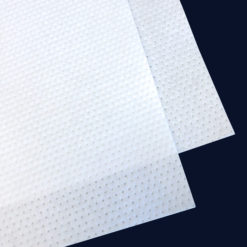
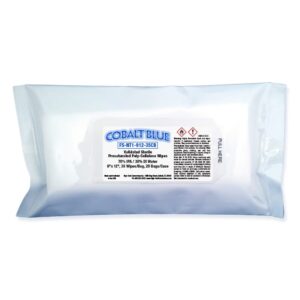
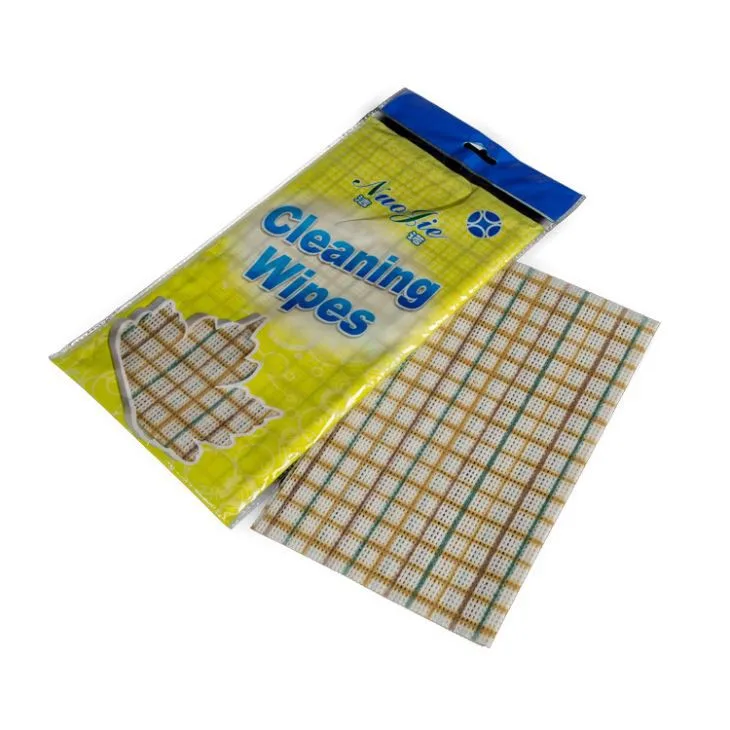
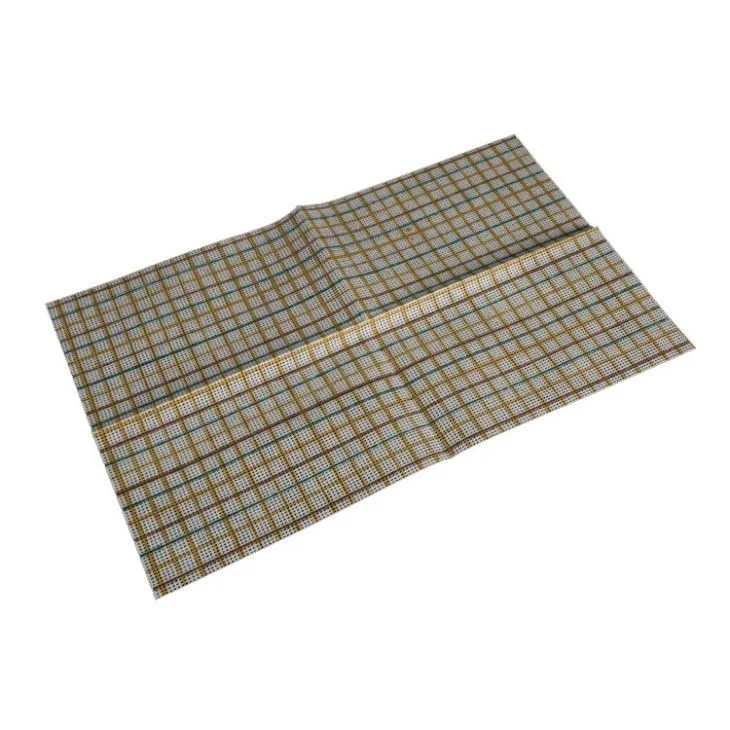
Perforated Spunlace Cellulose Polyester Industrial Spun Lace Non Woven Wipes are high-performance cleaning solutions designed for industrial applications. Made from a blend of cellulose and polyester fibers, these wipes offer superior strength, durability, and absorbency. The perforated design ensures optimal efficiency in cleaning, as they can be easily torn to the desired size, making them ideal for a wide range of tasks, including equipment maintenance, surface cleaning, and wiping off oils, dust, and dirt. The spunlace technology used in their production provides a soft yet tough texture, ensuring effective cleaning without damaging sensitive surfaces. Suitable for various industries, including automotive, manufacturing, and electronics, these non-woven wipes deliver consistent performance, reducing waste and ensuring a cost-effective cleaning solution.
Detailed information
| Product name | Perforated spun lace cellulose polyester industrial spun lace non woven wipes |
| Function | Wiping, scrubing, absorbing liquid and etc. |
| Size | As customers’ requirements |
| Weight | 70gsm, or customized |
| Composition | 50% polyester, 50% wood pulp, or customized |
| Packing | Poly bag or stretch films |
| Pattern | Plain, embossed or printing |
| Folding method | Z fold, N fold, M fold, 1/2, 1/4 (Quarter Fold). Others can be customized |
| Application | 1. Dry towels used in hotel,restaurants;
2. Dry towels used in furniture; |
| Color | Yellow, or customized |
| Technology | Spunlace |
| MOQ | 10,000 bags |
| Advantage | High oil absorbent |
| Delivery time | 30-~45 days |
| Certification | ISO9001 |
Description:
Nonwoven fabrics are boardly defined as sheet or web structures bonded together by entangling fiber or filaments (and by perforating films) mechanically, thermally, or chemically. They are not made by weaving or knitting and do not require converting the fibers to yarn. Nonwoven Fabric is a fabric-like material made form long fibers, bonded together by chemical mechanical, heat or solvent treatment. The binding process usually occurs through the pressing of fibers together with an adhesive, chemical binder, heat, ultrasonic pattern bonding. The popularity of Nonwoven fabrics is increasing day by day because of low cost & they are hygienic & they are easily disposal.
Features:
1. Excellent water absorbency
2. Lint free
3. No scratch to surface
4. Durable and strong
5. Reusable, disposable
6. Different colors for different cleaning area, reduce cross-contamination
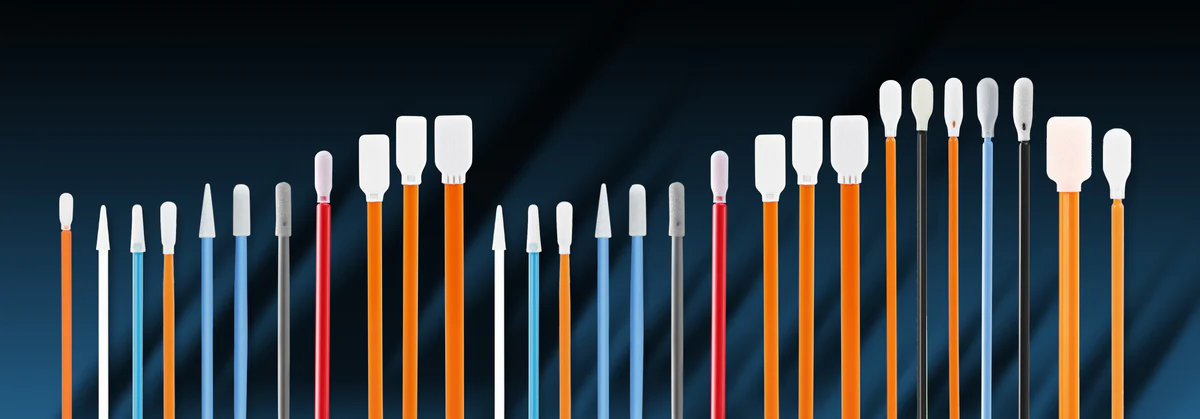
HXswab’s cleaning Swabs are the standard in cleanrooms and other areas across the globe. They are manufactured with a complete thermal bond, eliminating adhesive impurities, and made via high-precision automated processes. All of these result in HXswab’s swabs of a high standard, constructed to exacting and consistent tolerances. Currently, there are quite a few different types of swabs in our collection, fitting for a variety of applications.
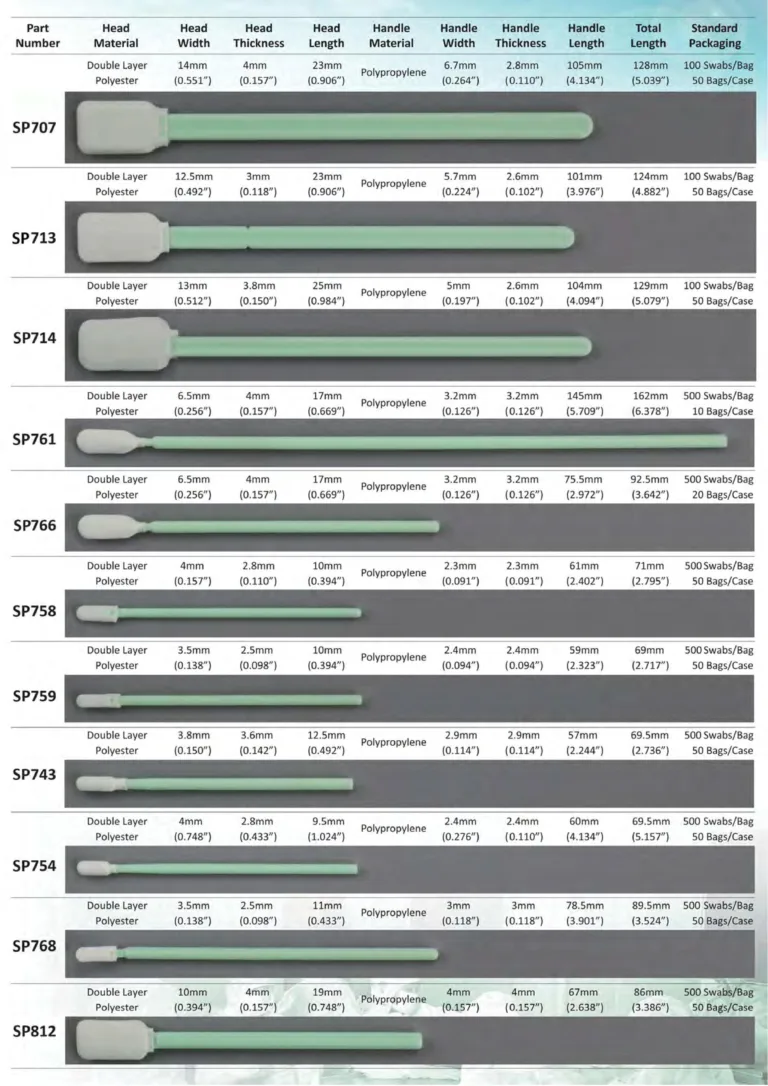
Please use this chart to find the best suitable swabs for your applications.
Suzhou Hongxun Clean Technology Co. LTD is one of the leading manufacturing and exporting industrial swab and Cleanroom supplies for over 12 years.we have 15000m* area own factory.
We have more test report from Reach, Rohs, Halogen, LPA, APC, IC etc from famous lab.Our company has 10 sales staff, 6 quality inspectors and 160 workers with all kinds of products.We can produce 50million pcs swab every year.Our customers are widely distributed in Southeast Asia, Europe, Americas and Middle East etc.
Suzhou Hongxun Clean Technology Co. LTD could also provide user designed products with high quality and short lead time.We are also sincerely looking for global distributors and partners. We hope to make win-win success and grow together with you.
Contact Us

206, Building 6, 115 Weixin Road, Suzhou, Jiangsu, China
+86 0512-62859796
+86 15371826976
info@hxswab.com
sales@szhxwckj.com